
10 Paws-itively Simple Ways to Calm an Anxious Dog Want…
10 Paws-itively Simple Ways to Calm an Anxious Dog
Want to help your stressed-out pup find their calm? Here’s how.
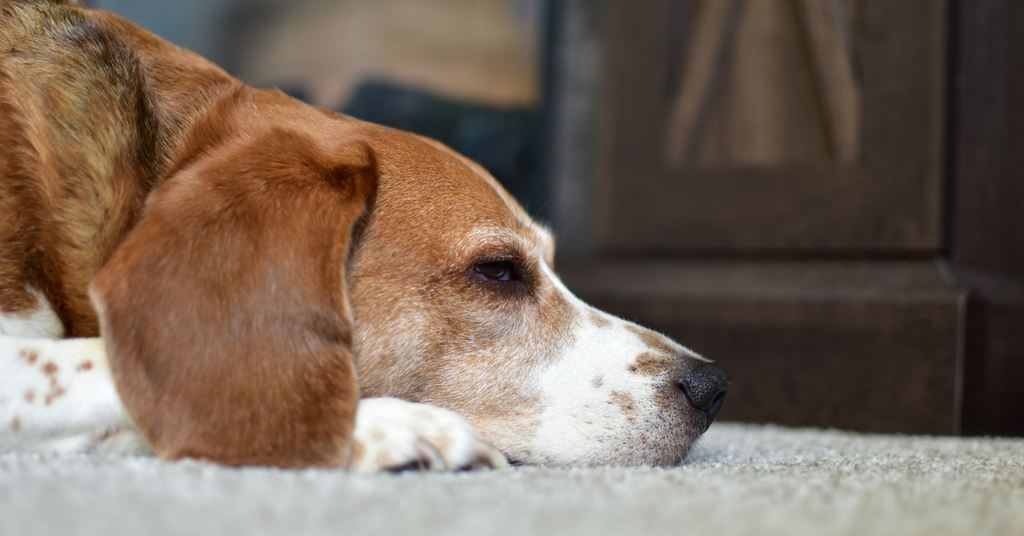
We all want to give our best pals the world, spoiling them with endless pup cups, squeaky toys, and cozy naps on the couch. However, realizing your fur baby is struggling with fear or stress can quickly break a pet parent’s heart. Whether it is a booming summer thunderstorm, a dreaded trip to the vet, or simply separation anxiety when you leave for work, canine anxiety is a tough real-world challenge.
According to veterinary behaviorists, nearly 70 percent of dogs exhibit some form of anxiety, meaning you certainly are not alone in this struggle. “Canine anxiety can stem from genetics, a lack of early socialization, or specific traumatic events in their past,” says Sara Redding Ochoa, DVM, at Whitehouse Veterinary Hospital. “Fortunately, we have a wide array of tools and positive reinforcement methods to help our dogs cope safely and effectively.”
1. Burn Off Energy Before Stressful Events
A tired dog is often a calm dog. If you know a stressful event is coming up, like a holiday fireworks show or a busy family gathering, aim to drain your pup’s excess energy first. Taking them for a brisk 30- to 45-minute walk or playing an extended game of fetch can work wonders.
“Physical exertion releases endorphins and reduces the built-up adrenaline that fuels anxiety,” notes Linda Simon, DVM, MVB, and MRCVS. “If their body is pleasantly exhausted, their mind is far less likely to spiral into a state of panic.”
2. Create a Cozy Safe Space
When things get overwhelming, your dog needs a quiet retreat away from the household chaos. A covered wire crate or a specialized option like the Diggs Revol Dog Crate can mimic a den-like environment. Make sure to line it with their favorite blankets and perhaps an old t-shirt that smells like you.
Never use this safe space for punishment. You want your pooch to associate their den exclusively with relaxation, safety, and tasty rewards.
3. Distract with Lick Mats and Puzzle Toys
Did you know that the simple act of licking is naturally soothing for canines? Smearing pet-safe peanut butter or plain Greek yogurt onto a LickiMat gives your dog a job to do while simultaneously releasing calming hormones in their brain.
To make the activity last even longer, pop the mat or a classic stuffed KONG toy in the freezer for about two hours before you need it. This budget-friendly trick keeps their brain focused on a tasty challenge rather than whatever is causing their stress.
4. Try a Calming Compression Garment
Sometimes, a little gentle pressure is all it takes to soothe a frightened fur baby. Products like the Thundershirt apply constant, mild pressure to your dog’s torso, similar to how swaddling comforts a crying infant.
These garments typically cost between $40 and $50 and are highly reusable, making them a smart investment for your pet care budget. Many pet parents see a noticeable reduction in panting, pacing, and shaking within just a few minutes of putting the shirt on.
5. Plug in a Pheromone Diffuser
If your dog struggles with being home alone, synthetic pheromones might be your new best friend. Products like the Adaptil calming plug-in mimic the natural nursing pheromones that mother dogs release to comfort their puppies.
A single starter kit usually runs about $25 to $35 and covers up to 700 square feet of living space. Simply plug it into the room where your dog spends the most time, and let the odorless vapor work its magic over the next 30 days.
6. Block Out Noise with Sound Therapy
Loud, sudden noises are a massive trigger for canine anxiety. Drowning out the sound of thunder or construction with a white noise machine can easily soften the blow.
You can also pull up free calming playlists on Spotify or YouTube, searching for “bioacoustic music for dogs.” Keep the volume at a moderate, conversational decibel level so you do not accidentally create a new source of auditory stress.
7. Establish a Predictable Routine
Dogs thrive on predictability because it helps them feel secure in their environment. When meals, potty breaks, and walks happen at the exact same time every day, your dog does not have to worry about when their basic needs will be met.
Try feeding them their morning kibble at 7:00 AM sharp and offering their evening meal right at 6:00 PM. Consistency builds immense confidence in nervous dogs.
8. Try Desensitization and Counterconditioning
You can teach your dog to conquer their fears by slowly pairing a scary trigger with something wonderful. If your dog hates the vacuum, start by leaving it turned off in the middle of the room and tossing high-value treats nearby.
Over a few weeks, gradually work up to turning the vacuum on for just five seconds while feeding them pieces of real chicken. “The goal is to change their emotional response from fear to anticipation of a reward,” Dr. Ochoa explains.
9. Give Calming Supplements a Try
There are plenty of over-the-counter chews designed to take the edge off everyday canine stress. Look for affordable options featuring proven ingredients like L-theanine, chamomile, melatonin, or valerian root. Brands like Zesty Paws Calming Bites are highly rated and usually cost around $30 for a month’s supply.
Always look for the NASC Quality Seal on the packaging to ensure you are buying a safe, regulated product.
10. Practice Your Own Zen
Our dogs are incredibly intuitive creatures who constantly read our body language. If you are rushing around the house frantically searching for your keys, your dog will immediately absorb that frantic energy.
Take a deep breath and keep your voice steady when handling a stressed pup. Avoid fussing over them too much, as excessive coddling can accidentally reinforce their belief that there is something to be afraid of.
Over-the-Counter Calming Supplements vs. Prescription Anxiety Medication
When managing your dog’s stress, you might wonder if you should stick to retail shelves or head to the pharmacy. Over-the-counter (OTC) supplements are fantastic for mild, situational stress, such as a quick car ride or a mildly noisy holiday. They are relatively inexpensive and accessible at most major pet retailers.
However, if your dog is destroying furniture, injuring themselves, or having full-blown panic attacks, OTC chews likely will not cut it. Prescription medications, such as Trazodone or Fluoxetine, require a veterinary consultation and typically cost between $30 and $80 per month.
“We recommend prescription options when a dog’s anxiety severely impacts their daily quality of life or prevents them from learning during behavioral training,” Dr. Simon says. “Medication acts as a bridge, lowering their panic threshold enough so that positive reinforcement training can actually sink in.”
Finding the Right Balance for Your Best Pal
Learning how to navigate canine anxiety is a journey, and progress rarely happens overnight. Be patient with your pooch, celebrate the small victories, and try not to get discouraged if a specific trick doesn’t work perfectly the first time.
Always remember to consult your veterinarian or a professional certified by the American College of Veterinary Behaviorists (ACVB) before making major lifestyle changes or introducing new supplements. With the right tools, a bit of savvy budgeting, and plenty of love, you can help your furry friend live a happier, more relaxed life!