
Why Does My Dog Follow Me to the Bathroom? Here’s What Vets Think Might Be Happening
“Is it separation anxiety? Do they just have serious FOMO?…
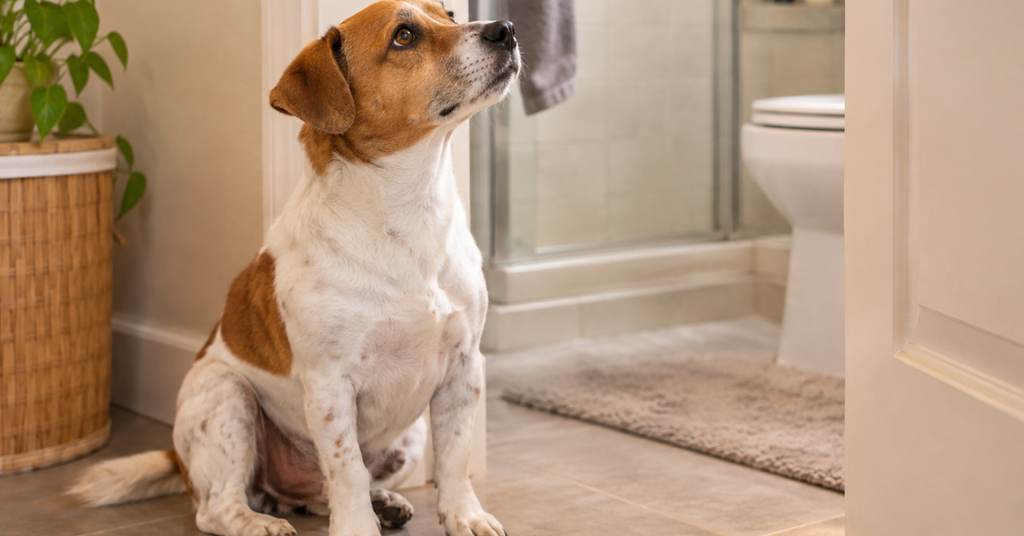
“Is it separation anxiety? Do they just have serious FOMO? There are a few key reasons.
Sharing our homes with a furry friend brings endless joy, from morning cuddles to enthusiastic greetings at the door. We cherish this deep connection and the sweet companionship that our dogs provide every single day. However, there is one specific place where pet parents might actually prefer a little privacy: the bathroom.
If you haven’t been able to use the toilet or take a shower alone since you brought your pooch home, you are definitely not the only one. “Why does my dog follow me to the bathroom?” is a very common question for dog owners trying to navigate this slightly awkward daily routine. We asked veterinarians to explain exactly why your pup insists on being your bathroom buddy and how to gently encourage some much-needed independence.
Key Takeaways
- Root Causes: Dogs may follow you into the bathroom due to separation anxiety, natural pack instincts, or simple curiosity about what you are doing behind a closed door.
- Gradual Reconditioning: Teaching your dog a “place” command and practicing short, positive intervals of separation can help them feel secure while you step away.
- Enrichment and Comfort: Offer high-value distractions like snuffle mats, lick mats, or an inviting safe space to keep them happily occupied outside the bathroom.
Why Dogs Follow You to the Bathroom
Your dog’s desire to stick to you like glue is often referred to as “Velcro dog” behavior. While it can feel a bit overwhelming to have an audience while you brush your teeth, this behavior is deeply rooted in your dog’s psychology.
“Dogs are naturally social animals, and for many of them, their human family is their pack,” says Sara Redding Ochoa, DVM, of Whitehouse Veterinary Hospital. “When you leave the main living area and go into a small room, they naturally want to follow to keep the pack together and ensure everyone is safe.”
Beyond basic pack instincts, there are several other potential reasons your pup might refuse to leave your side when nature calls:
- Separation Anxiety: If your dog panics the moment you are out of sight, following you to the bathroom might be a coping mechanism. Pups with separation anxiety often shadow their owners from room to room to avoid the distress of being left alone.
- Vulnerability and Protection: In the wild, animals are most vulnerable when they are eliminating. Your dog might be following you to “stand guard” and protect you during a time they instinctively perceive as risky.
- Curiosity and FOMO: Dogs have a serious case of FOMO (fear of missing out). If you go into a room and close the door, their natural curiosity goes into overdrive, making them wonder what exciting things might be happening on the other side.
- Accidental Human Conditioning: You might be unintentionally rewarding the behavior. If you pet your dog, talk to them in a silly voice, or offer ear scratches while you are on the toilet, they learn that bathroom time equals prime bonding time.
- Sudden Illness: If your normally independent dog suddenly starts shadowing your every move, they might not be feeling well. Clinginess can be a subtle sign that your dog is experiencing pain, discomfort, or cognitive decline.
- Lack of Boundaries: If your pup was never taught to stay in one place or entertain themselves, they will naturally just follow the most interesting thing in the house. Most of the time, that most interesting thing is you.
- Changing Routines: A recent move, a new work schedule, or the addition of a new family member can make a dog feel insecure. They might stick closer to you than usual as a way to self-soothe during periods of environmental change.
“It is entirely normal for a dog to want to be near you, but sudden changes in their clinging behavior should always be noted,” explains Michelle Burch, DVM, from SafeHounds Pet Insurance. “If a dog that usually sleeps on the couch suddenly paces outside the bathroom door and cries, we want to look at underlying stress or medical issues.”
Is Following You to the Bathroom Bad?
Not necessarily. Having a dog follow you into the bathroom is completely harmless in most cases. Many pet parents simply accept it as a quirky, endearing part of living with a canine companion.
If your dog just wanders in, lays on the bath mat, and peacefully naps while you shower, there is no real harm being done. It shows that they feel a strong bond with you and find comfort in your presence. However, this behavior can become impractical or even a tripping hazard in small spaces.
It is also important to evaluate how your dog acts when they are denied access. If closing the bathroom door results in frantic scratching, whining, or pacing, this behavior is no longer just a quirky habit. Instead, it is a sign of distress that needs to be addressed for your dog’s mental well-being. Setting healthy boundaries around your personal space is completely okay and actually helps your dog build confidence.
How to Train Your Dog to Stop Following You
Once you are ready to reclaim your bathroom privacy, you can work on gradually helping your pup feel comfortable being alone. Finding the right solution often depends on patience, consistency, and making independence feel highly rewarding.
Here are a few concrete, step-by-step methods you can try at home to break the bathroom habit:
- Desensitize the triggers: Dogs learn our routines quickly. They know that when you push back your chair and walk toward the hall, you are heading to the bathroom. Start standing up and walking toward the bathroom, but then just go to the kitchen or sit back down. Doing this repeatedly breaks the association and makes your movements less interesting.
- Teach the “place” command: Train your dog to go to a specific spot, like their bed or a comfy rug in the living room. Reward them generously for staying there while you take a few steps away. Gradually increase the distance until you can walk into the bathroom without them breaking their “stay.”
- Provide high-value distractions: Right before you head to the bathroom, give your pup something amazing to focus on. Use puzzle feeders, lick mats smeared with dog-safe peanut butter, or stuffed chew toys. These interactive tools keep their brains busy and make staying in the living room much more appealing than following you.
- Set up a baby gate: If a closed door causes your dog to panic, try installing a baby gate in the bathroom doorway instead. This allows them to still see and hear you, which reduces their anxiety, while still maintaining a physical boundary.
- Ignore the behavior: If your dog does slip into the bathroom with you, do your best to completely ignore them. Do not make eye contact, talk to them, or offer pets. When they realize the bathroom is a boring place where they receive zero attention, they will be less motivated to follow you.
- Create a designated safe space: Ensure your dog has a comfortable, quiet zone they actually want to hang out in. A cozy crate with the door open, a soft blanket, and a snuffle mat can create an inviting environment that helps them self-soothe while you are away.
Taking the Next Steps for Your Pet
Getting your furry friend comfortable with your solo bathroom trips takes plenty of time, patience, and consistency. Remember to take training at your dog’s pace, celebrating small victories like them waiting quietly outside the door for just a few seconds.
Always remember to schedule a veterinary exam first to rule out any underlying medical conditions before starting a new behavior training plan. If your dog’s clinginess came on suddenly, your vet will want to make sure they are feeling their absolute best. With a little loving guidance and the right enrich